
Professor Stephen Baxter (1969-2026)
MA DPhil Oxf
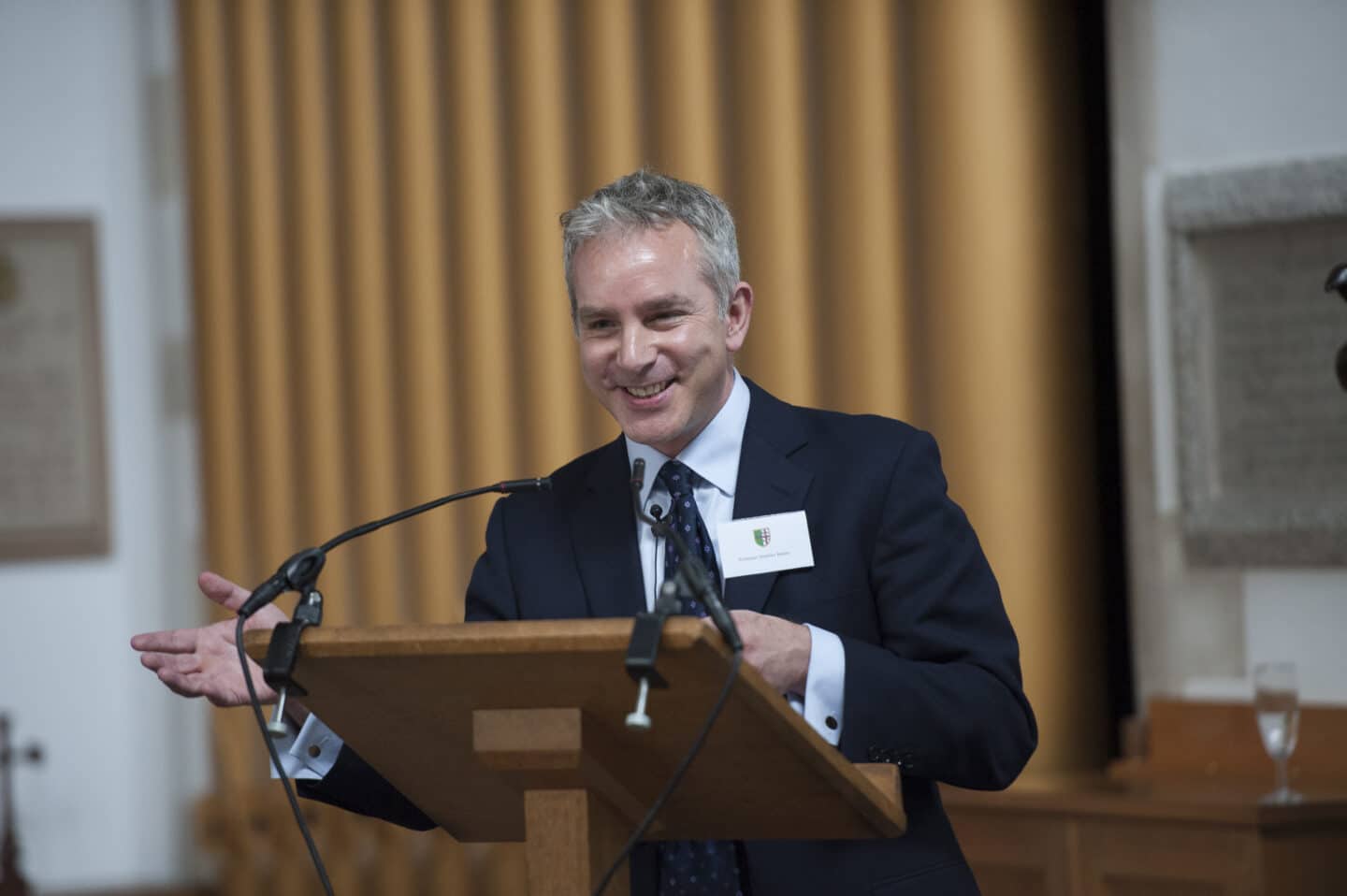
It is with deep sadness that the Master and Fellows of St Peter’s College share news of the death of Professor Stephen David Baxter, Barron Fellow and Tutor in Medieval History at St Peter’s College and Clarendon Professor of Medieval History at the University of Oxford. Stephen was a distinguished historian, a dedicated tutor and a generous colleague.
A leading historian of the Anglo-Norman period, Stephen made significant contributions to the historical understanding of political structures, land tenure, lordship, family and religious patronage in the early English kingdom. Most notably, he produced ground-breaking research into the development and authorship of Great Domesday Book, becoming one of the foremost experts on William the Conqueror’s famous survey of England.
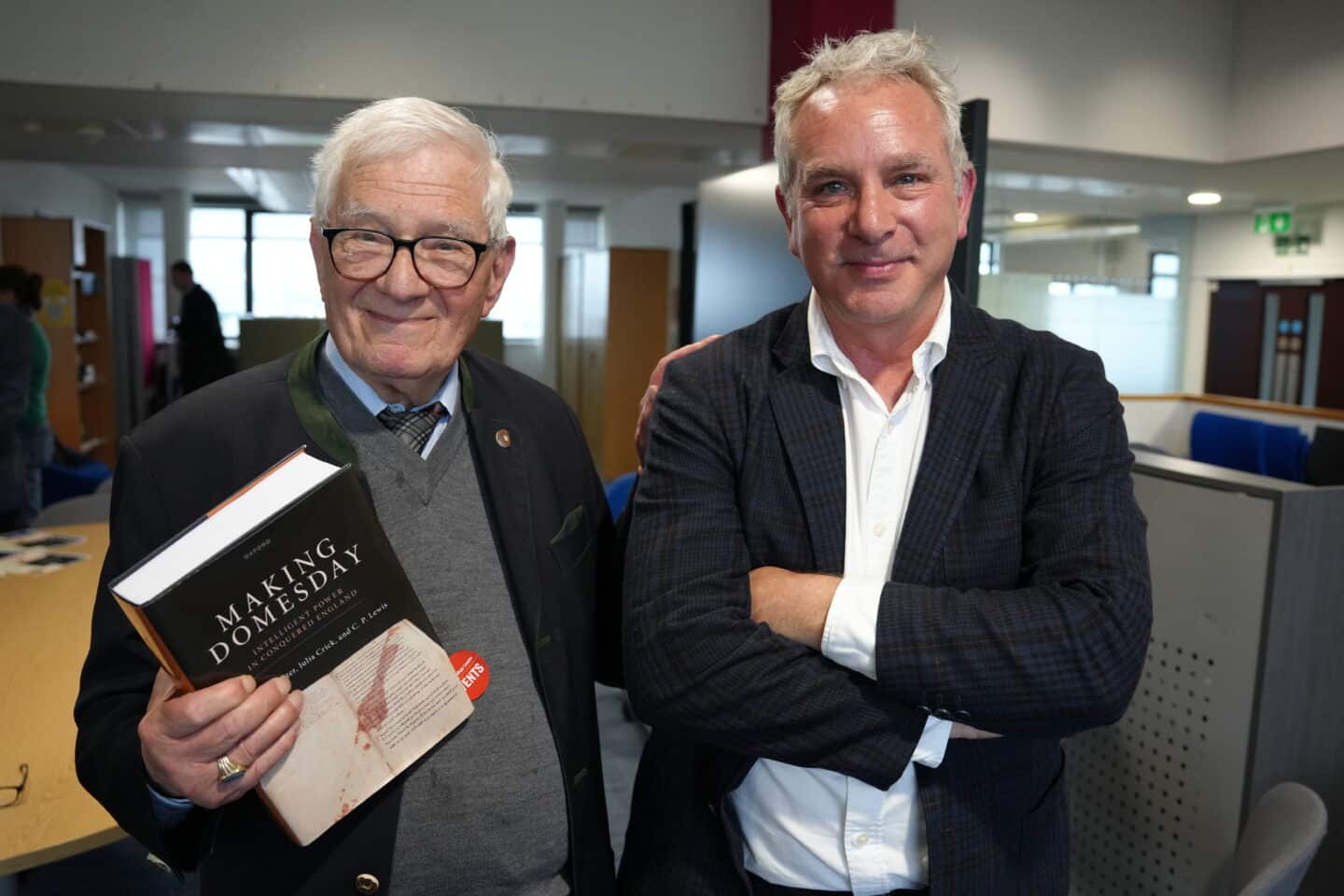
Stephen obtained his BA in History from Wadham College. He later reported of his undergraduate days that he ‘fell under the spell of a group of inspirational historians, including [Emeritus Fellow in Medieval History] Henry Mayr-Harting, who made medieval history seem the most exciting part of the degree.’ Henry remained a close friend and mentor to Stephen through the remainder of his life.
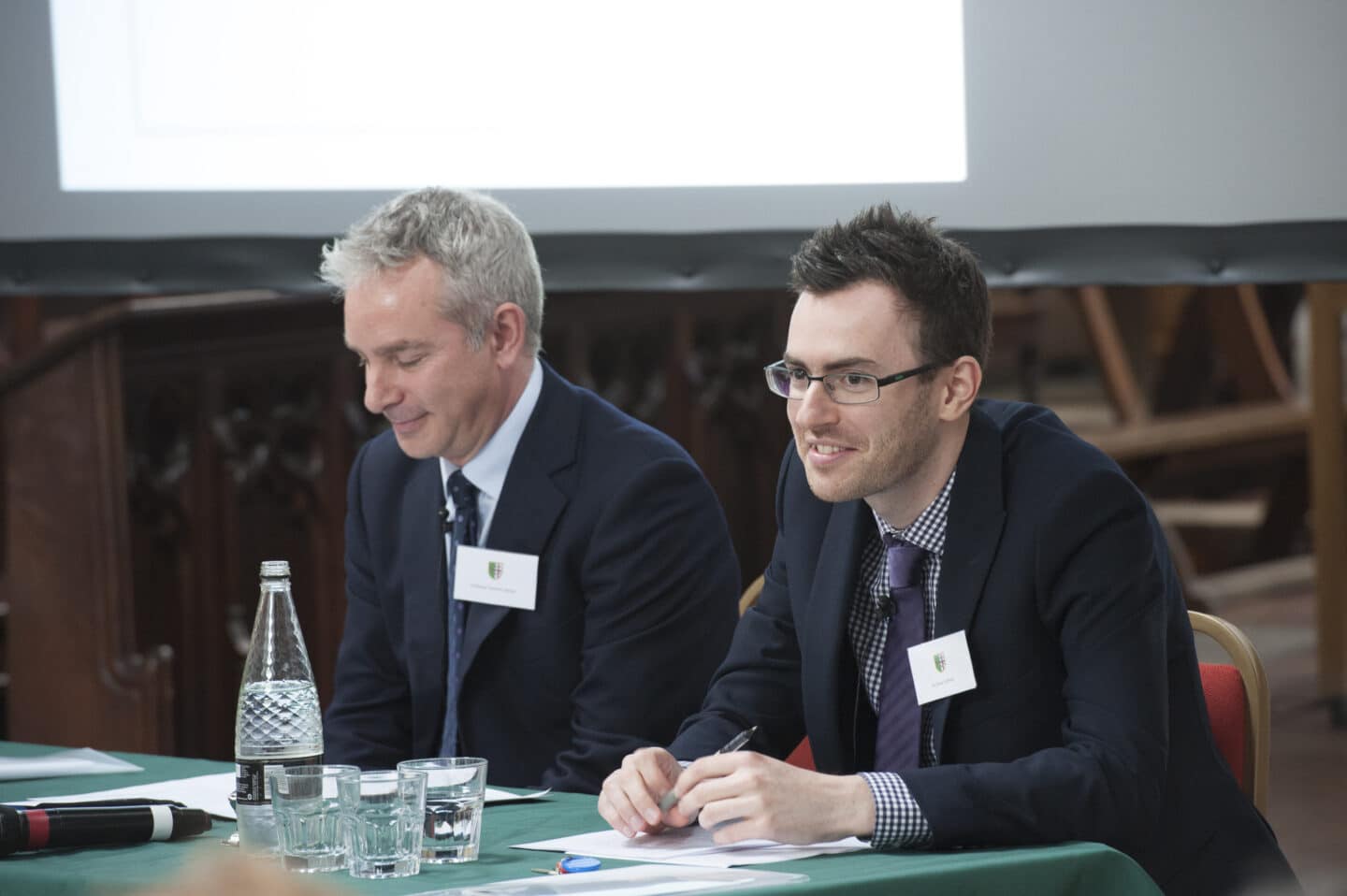
Following his graduation, Stephen worked in consultancy and for an investment bank before returning to Oxford, this time to Christ Church College, to pursue a DPhil on aristocratic power struggles in England on the cusp of the Norman Conquest. This was followed by a Junior Research Fellowship at Magdalen College. He then spent 10 years as a lecturer and reader in Medieval History at King’s College London. In 2014, he returned to Oxford to join St Peter’s College as Clarendon Associate Professor and Barron Fellow in Medieval History. He was granted full professor status in 2020.
For several years, Stephen was one of the co-directors of the Prosopography of Anglo-Saxon England (PASE), a database project which seeks to identify all the people who lived in England before 1066. This led to the creation of a related resource, PASE Domesday, which aims to identify all of the landholders named in the Domesday corpus by mapping their estates.
His first book, The Earls of Mercia: Lordship and Power in Late Anglo-Saxon England (OUP, 2007), explored how a powerful family based in the Midlands negotiated the vicissitudes of English politics for nearly a century before succumbing to the Normans in the 1070s. The work was a fresh interpretation of pre-Norman politics in England and provided the first extended review of the ways in which earls held power in the late Anglo-Saxon period.
Making Domesday
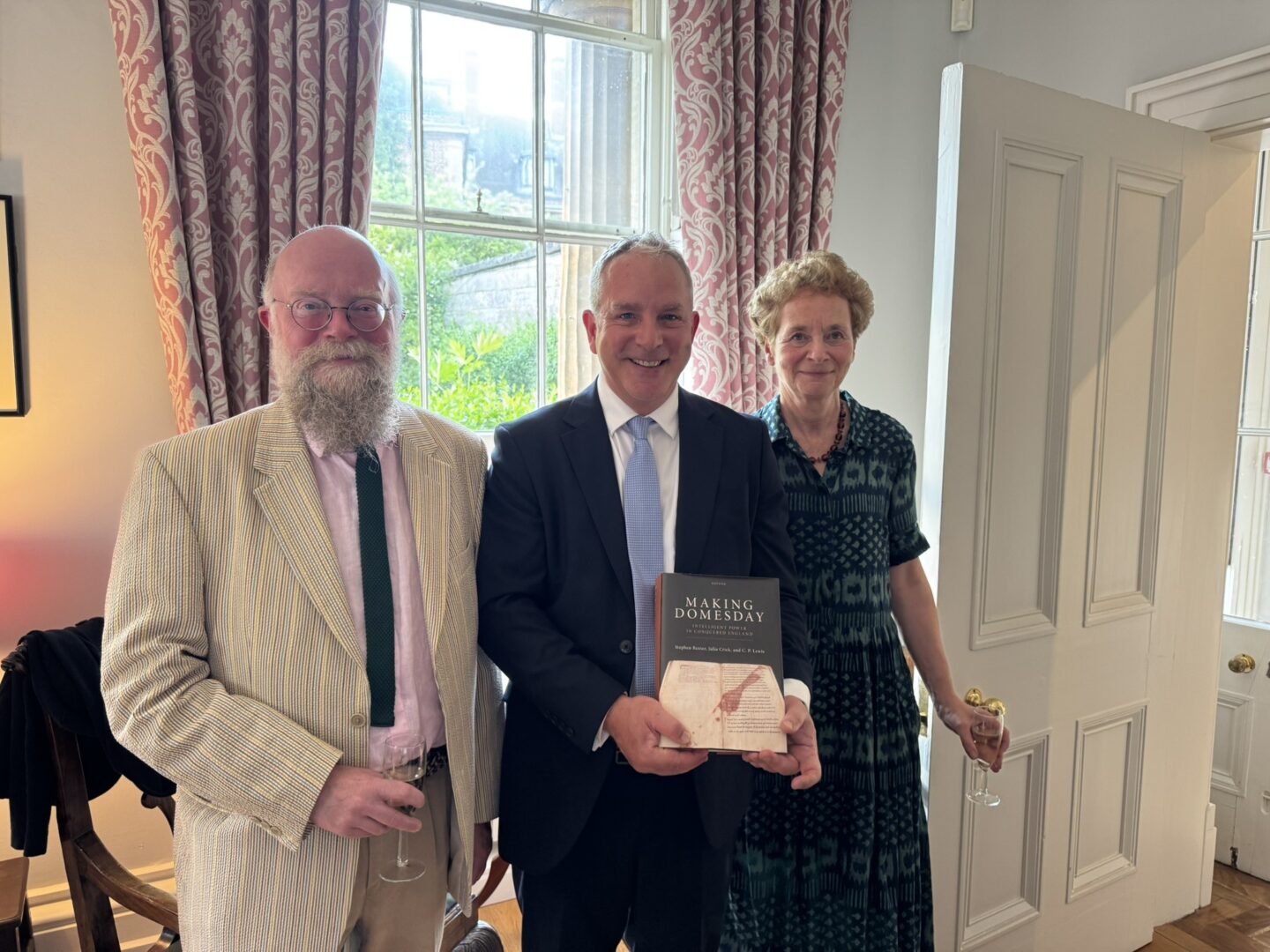
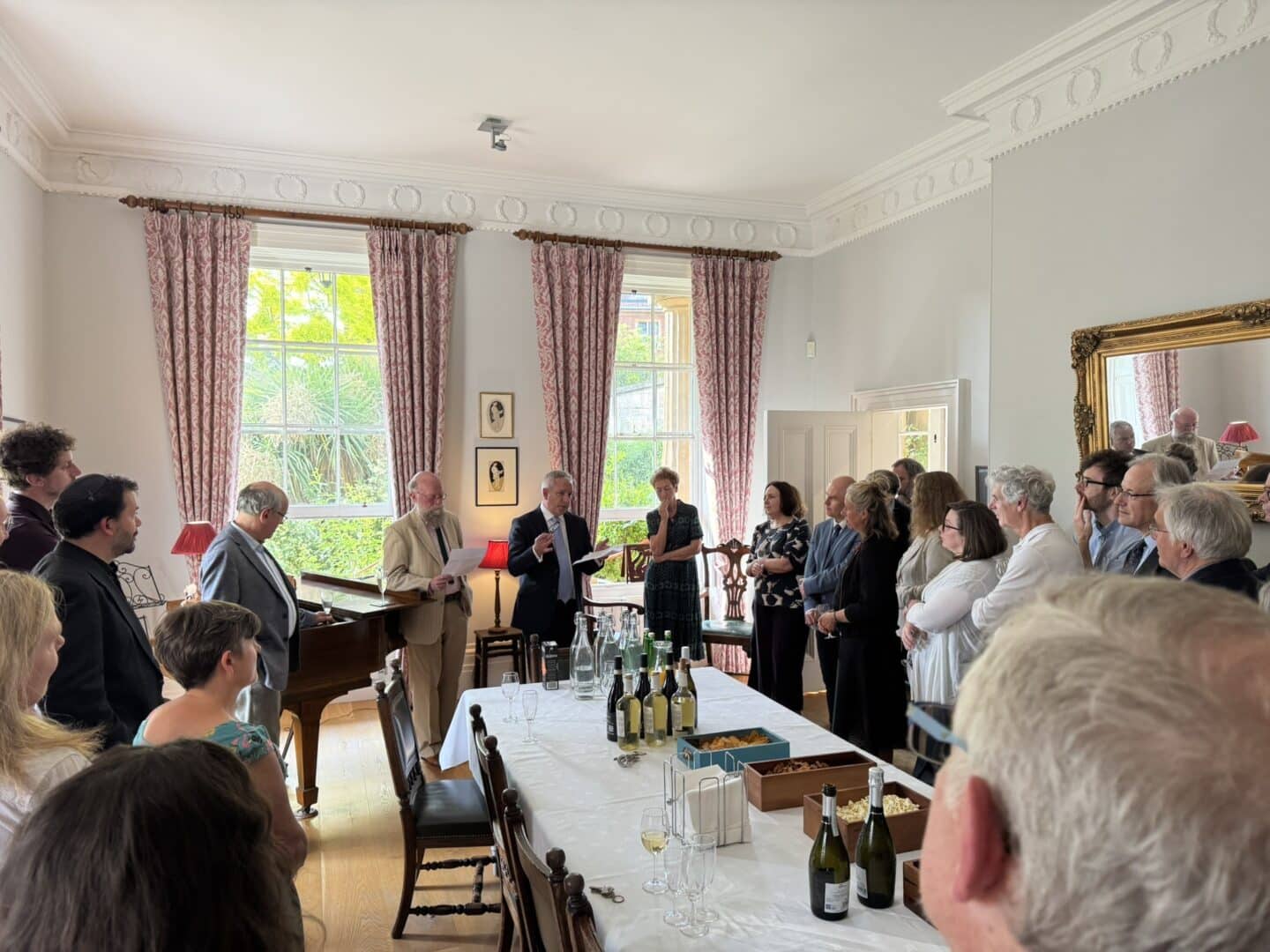
In June 2025, Stephen’s ground-breaking book, Making Domesday (OUP, 2025), co-written with research collaborators Julia Crick and C. P. Lewis, was published and celebrated via several book-launch events, including one in Canal House in St Peter’s College. Offering a new interpretation of William the Conqueror’s famous survey of England and the making -- and authorship -- of Domesday Book, the study contends that the survey was even more ambitious and complex than scholars have thus far dared to believe, demonstrating that William the Conqueror’s revenues derived from several sources—royal estates, a land tax, the profits of justice and direct taxation of major landholders. Stephen argued that the scribe who wrote Domesday Book could now be identified and named as Gerard, William the Conqueror’s last chancellor, who went on to become Bishop of Hereford and Archbishop of York. By offering a fresh interpretation of how, why and by whom Domesday Book was made, Stephen has left an indelible mark on our understanding of Britain’s oldest surviving public record.
At St Peter's College
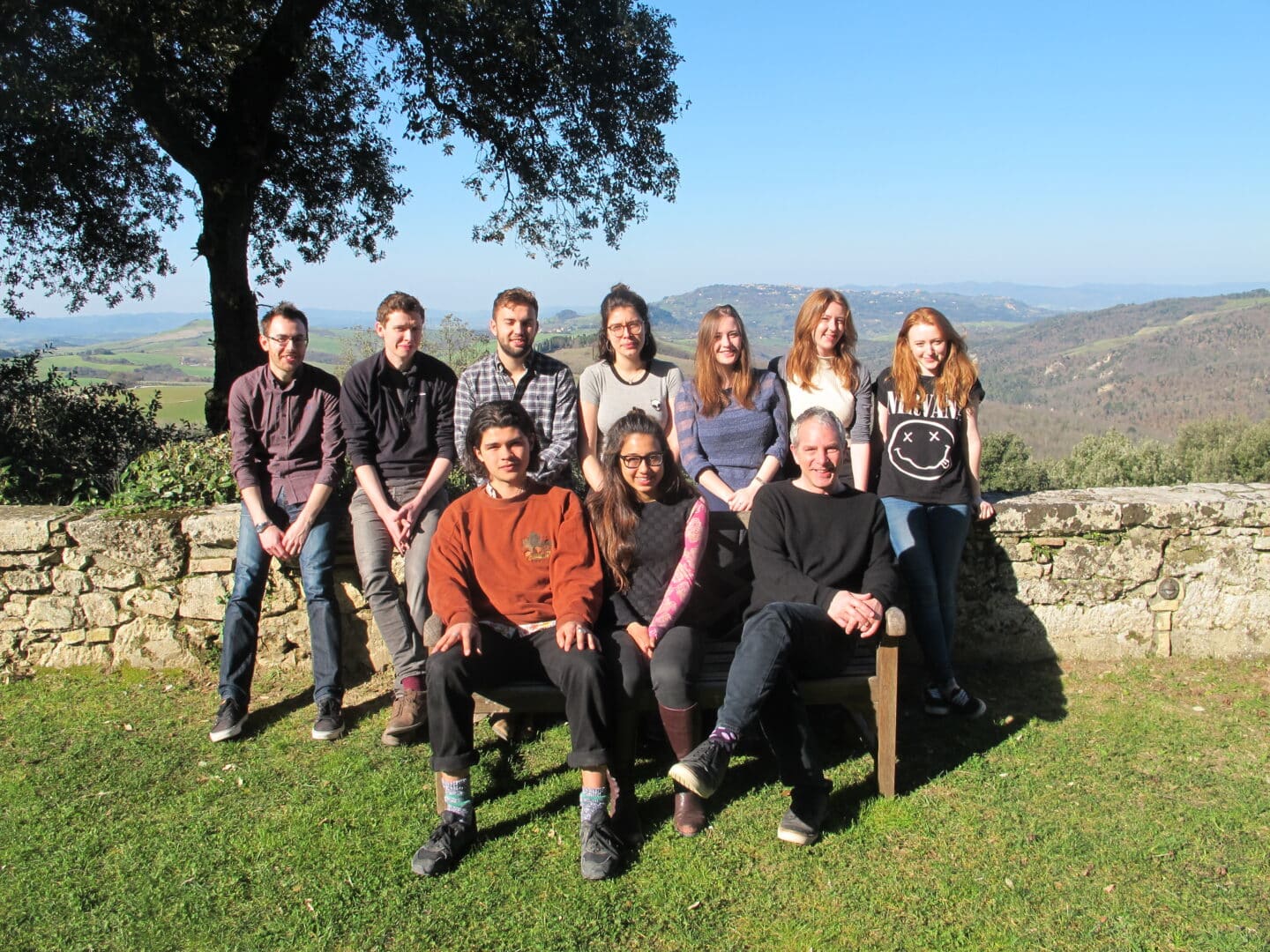
At St Peter’s College, Stephen will be remembered for the deep care he demonstrated for his students and the wider College community. He formed an extremely successful partnership with fellow historian Dr Stephen Tuffnell (Tutorial Fellow in Modern US History), continuing and extending St Peter’s legacy of significant strength in history. His love for medieval history was infectious, and his students often found his tutorials transformed their way of thinking about the subject.
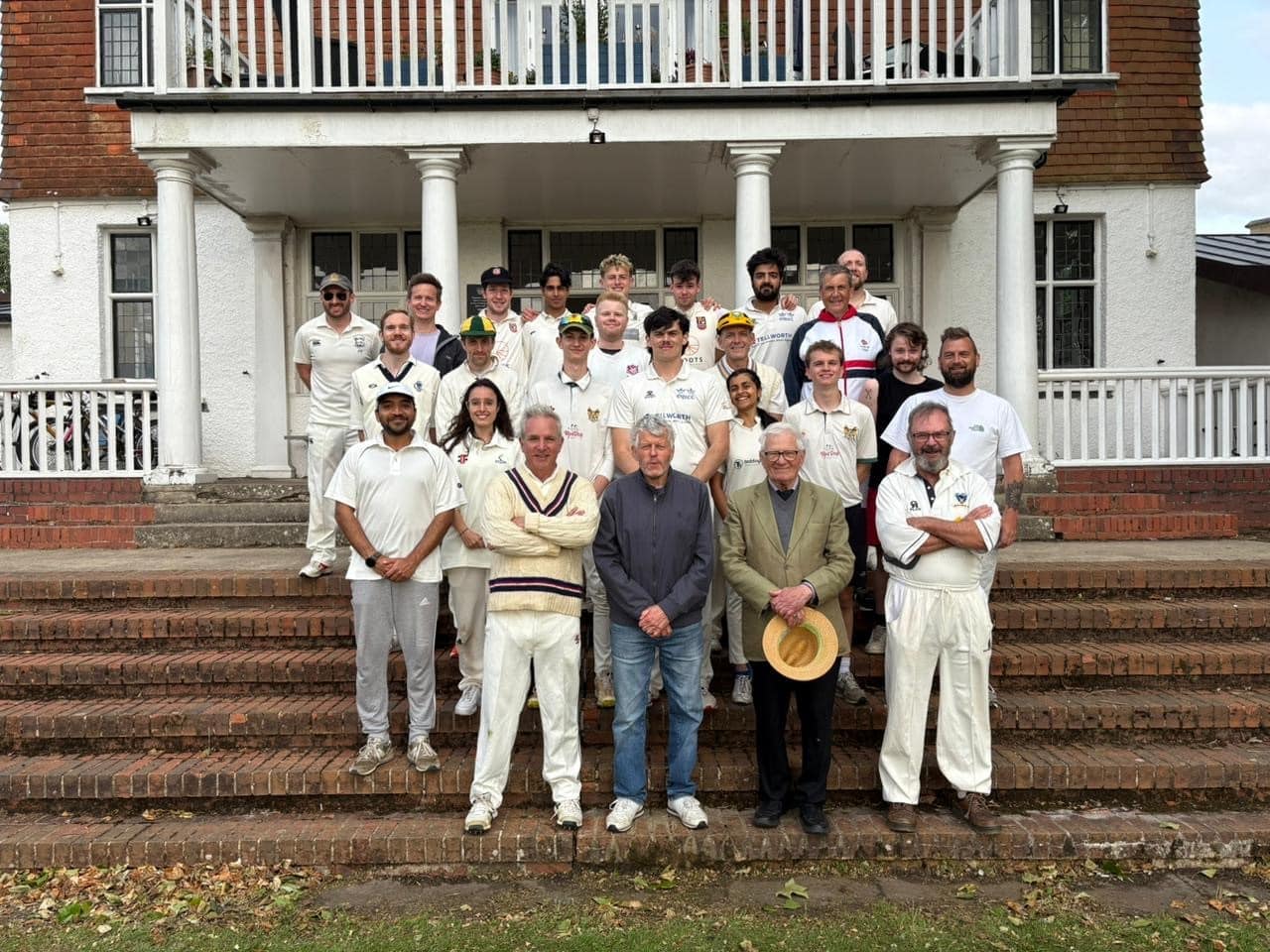
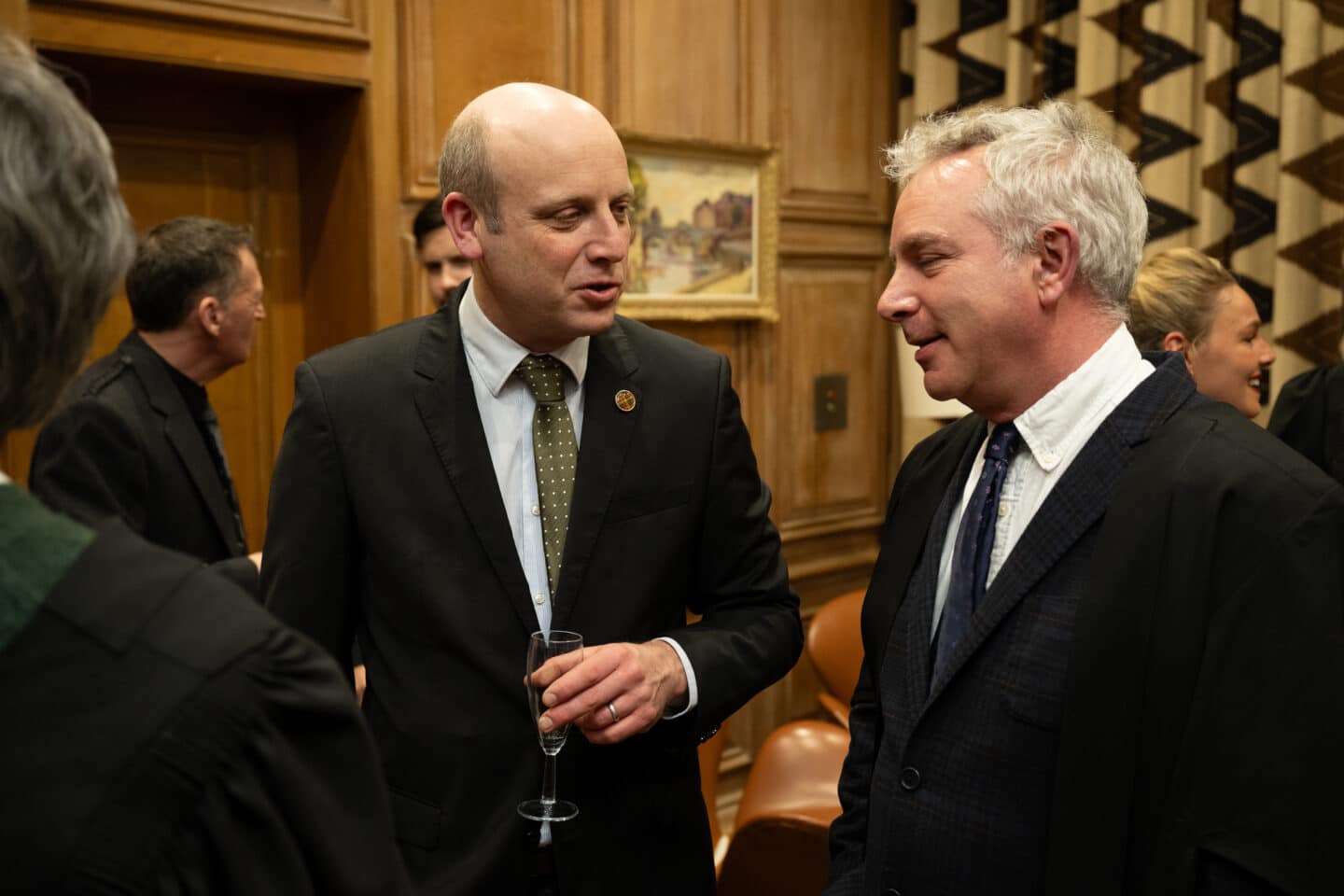
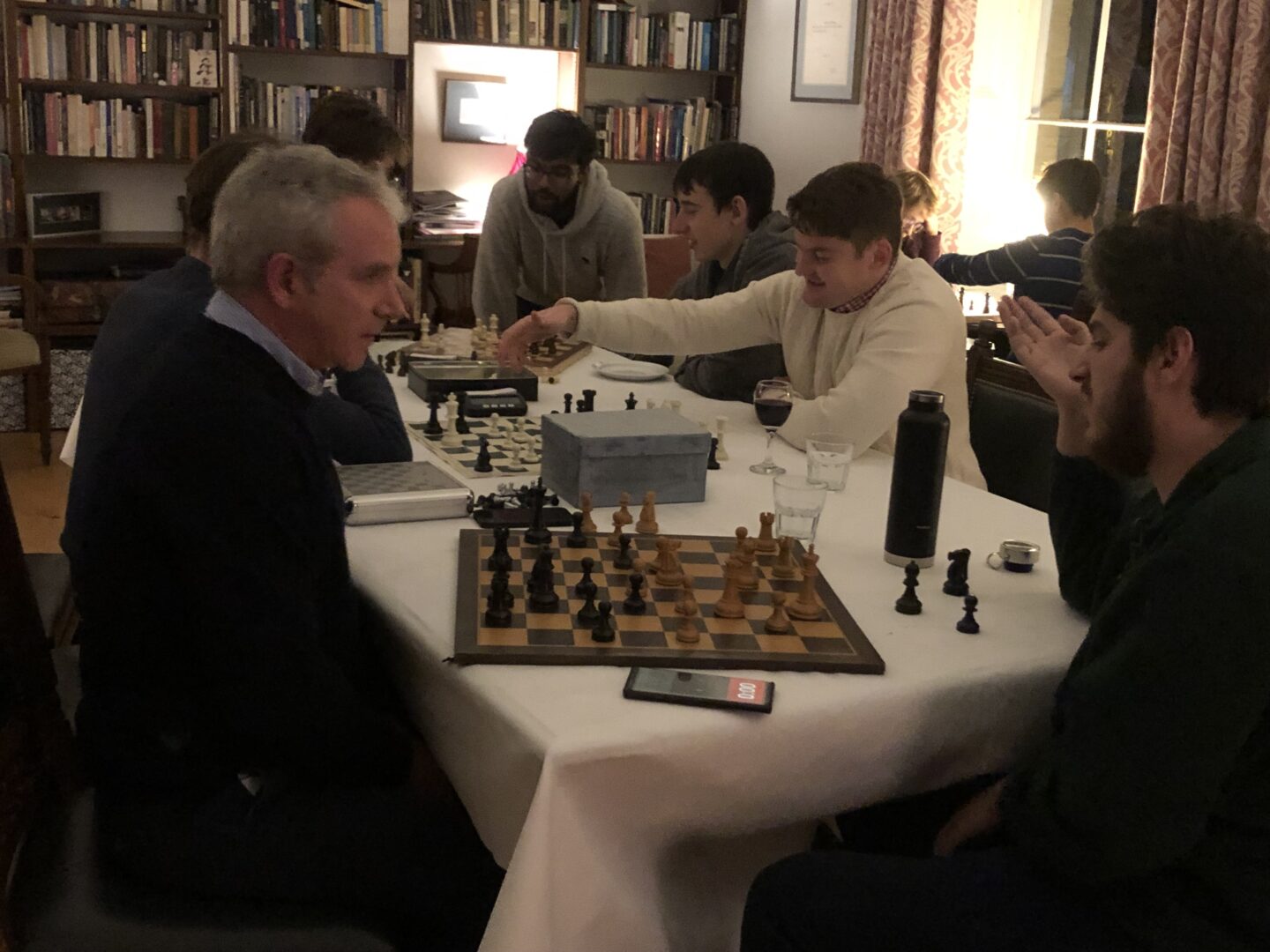
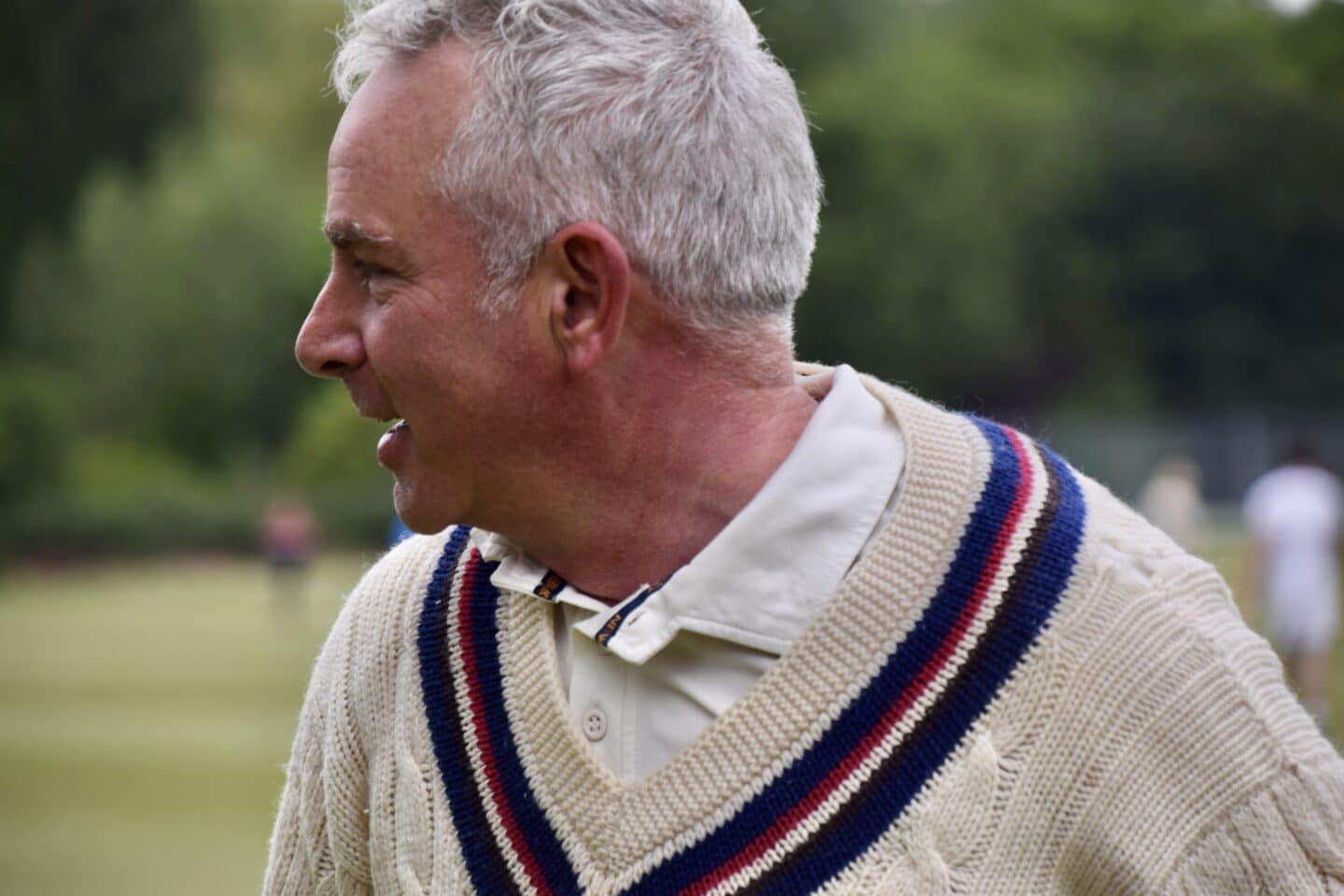
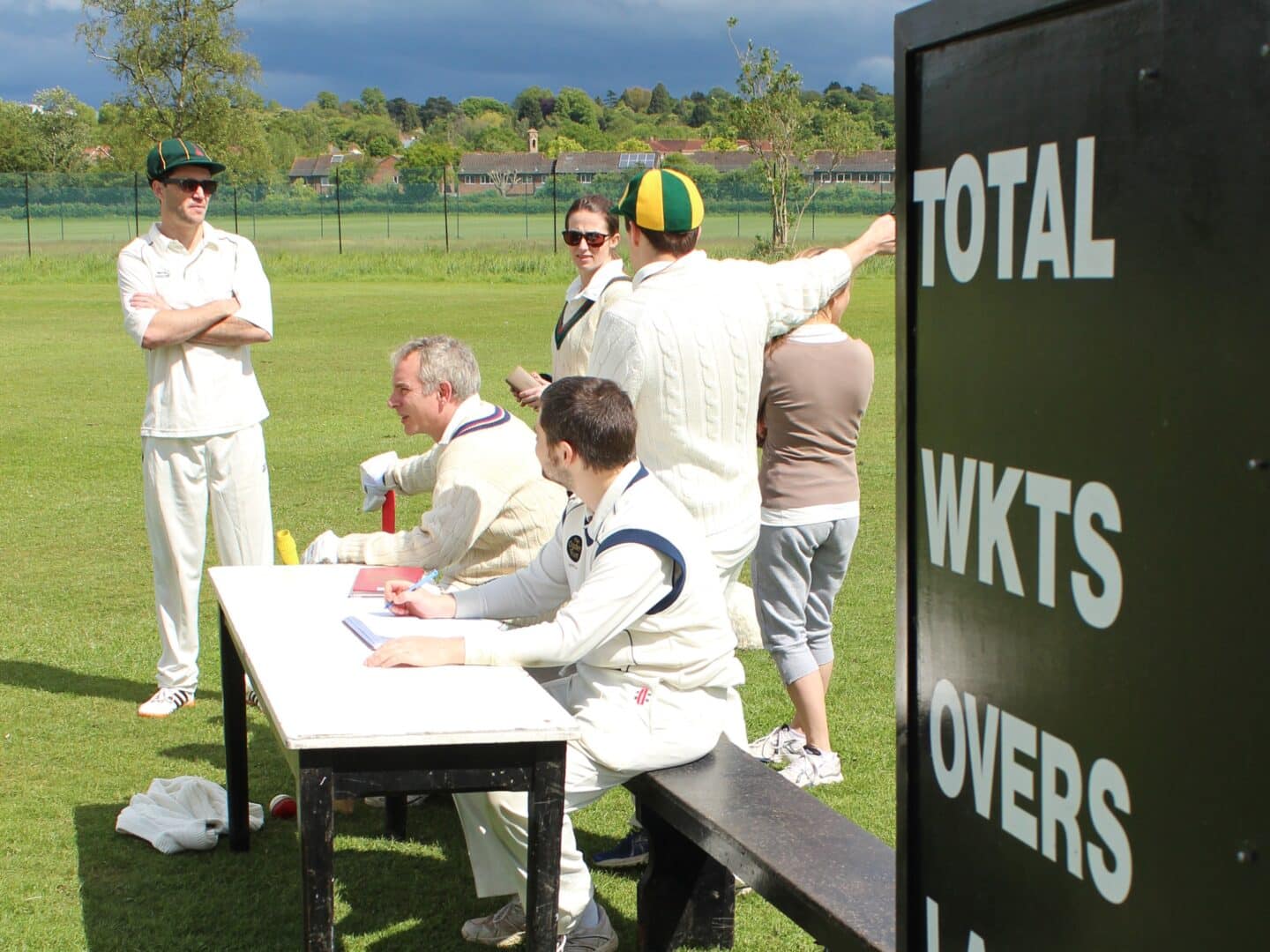
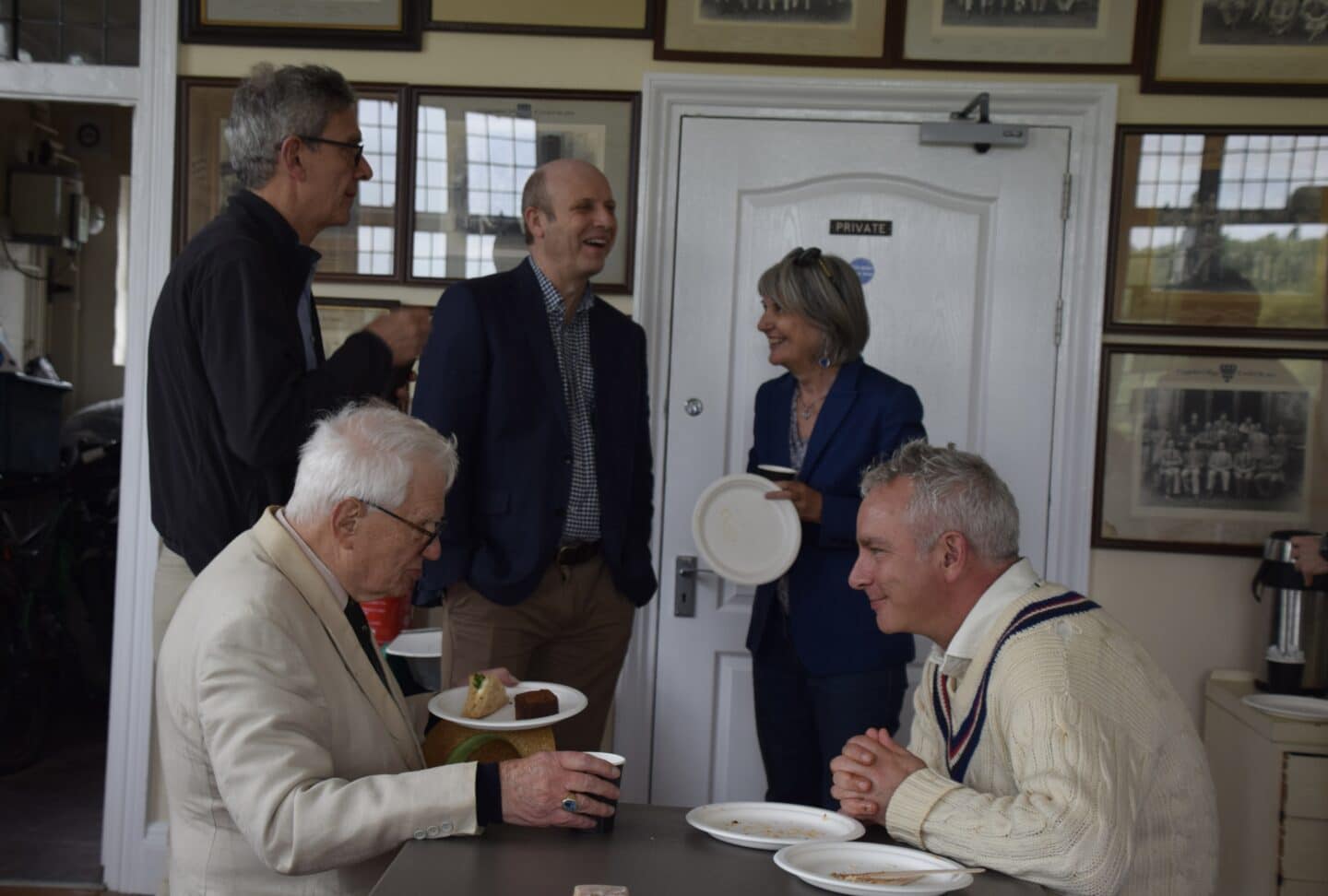
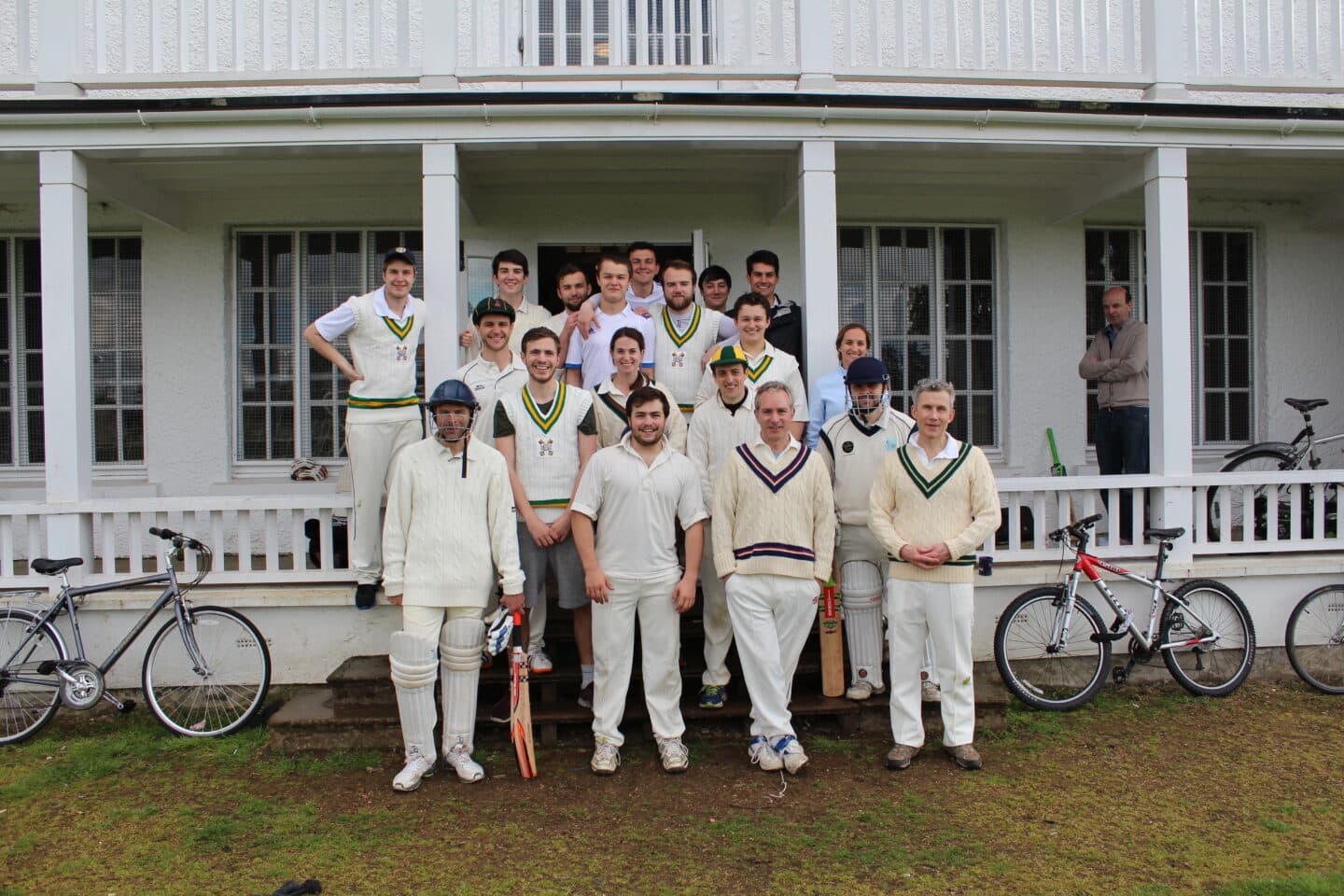
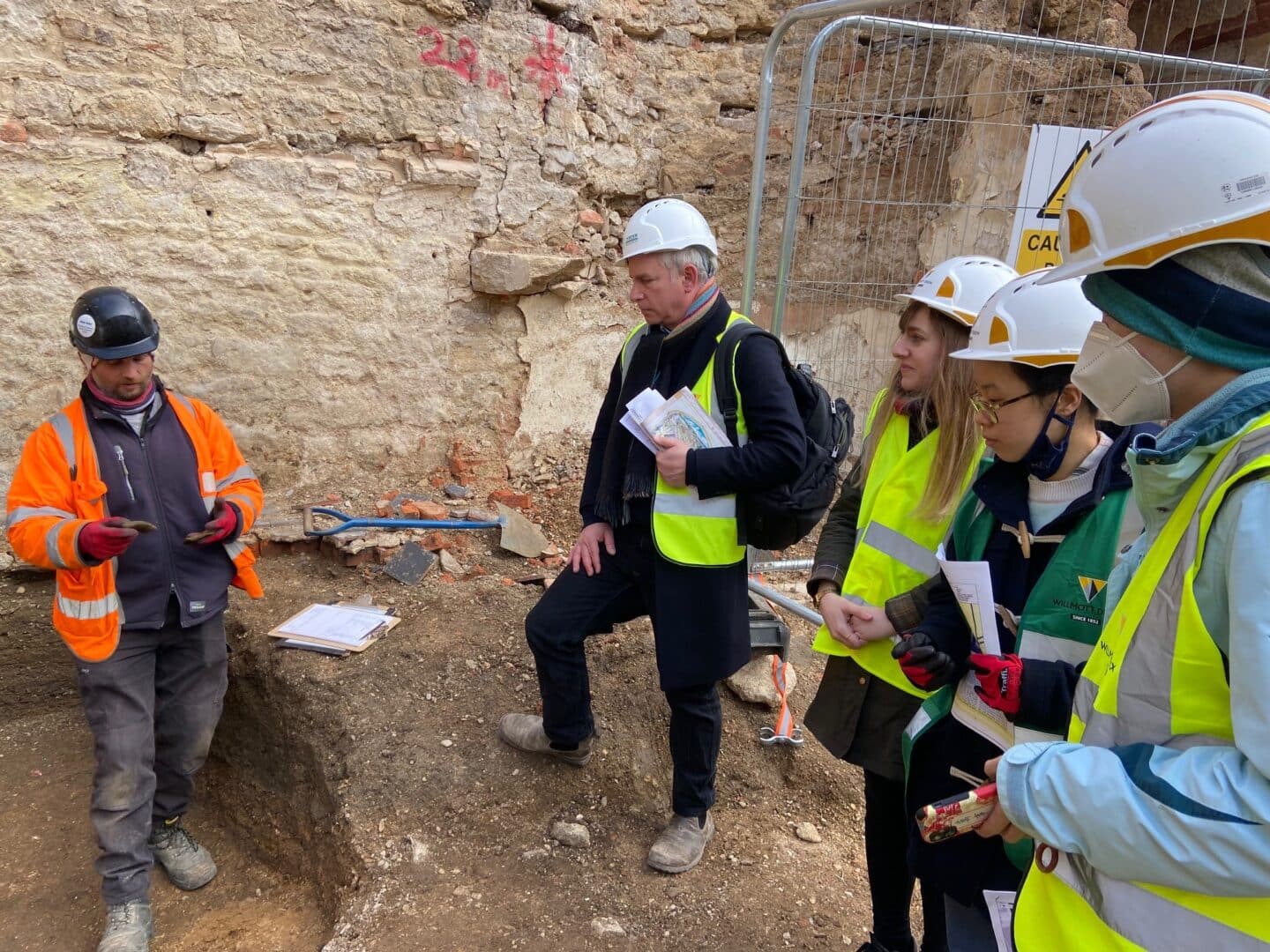
Beyond tutorials, seminars and lectures, Stephen was a dedicated colleague who contributed significantly to the work and community life of St Peter’s College. He served as Vice-Master of the College from 2021 to 2024 and as Fellow Archivist from 2015. He was a frequent and friendly fixture at our weekly Guest Night Formals and could be found supporting student chess evenings in the Master’s lodgings, recruiting willing (and sometimes less-willing!) team members for the annual SCR vs JCR Cricket match, and organising friendly tennis meet-ups with colleagues. When recent archaeology on our site unearthed evidence of a possible Saxon rampart, Stephen’s impressive historical knowledge, paired with his infectious enthusiasm for historical discovery, transformed what we at first prosaically termed ‘our Saxon ditch’ into an exciting opportunity to reexamine the history of Oxford’s pre-Norman defences.
Stephen believed passionately that the results of academic research should be shared with the public. He wrote and presented television documentaries for BBC 2 (on Domesday Book) and BBC 4 (on Medieval children), and made contributions to radio programmes including BBC Radio 3 (The Essay) and Radio 4 (In Our Time).
Stephen taught in the principled belief that the lessons learned in evidence-based historical enquiry should apply to life as well as to the study of history. He once said, ‘I realize that reading medieval history may not be a life-changing experience for everyone, but I remain hopeful that it may inspire many and feel confident that it will enrich the lives of all of those who do so!’ Stephen’s years at St Peter’s have enriched and inspired the lives of many. He will be greatly missed by students and colleagues alike. Our deep condolences are with Stephen’s family and all who knew him.
A memorial service for Stephen will be held in June. Learn more and register to attend here.
Photo gallery

Memories of Stephen
Memories of Stephen shared by students, colleagues and friends are shown below. Over the next few weeks, the page will be updated as further submissions are sent in. To share your memories, please use this form.
Stephen was a wonderful man. He was inspirational to me as a student of history, and as a young man. He was unfailingly generous with his time (I well remember tutorials scheduled for an hour running for well over three, fortified by biscuits and coffee), exceedingly clever, and possessed of a natural charm. His passion for his subject shone throughout his personality. He cared - deeply - for his students. He loved history and teaching. I will always be grateful to Dr Baxter. He fostered my enthusiasm for history, drawing on it to drive me to achieve academically. He wrote my academic reference, which was instrumental in my securing my first job. And, more than anything, he was a thoroughly decent man, who taught me a lot about life and learning. I am truly devastated to hear of his loss and I pass on my most sincere condolences to his family. I hope it is some comfort to know that he was universally admired and respected. - Anders Jay, History, 2012
Stephen was not only a great history tutor, mentor and academic but also a lovely man and an excellent cricketer. I have fond memories of the annual JCR v SCR cricket match which he organised annually, and although the JCR won comfortably it is fair to say that the SCR always put up a very good fight! He will be sorely missed by all of us here at St Peter's. RIP x - Conor Halpenny, BA History, 2024
I was sat next to Stephen for second desserts at my first high table as a tutor. We talked about our shared love of tennis. That summer, we had a lovely day playing on the grass courts in university parks with Judith and her husband, eating strawberries and cream between games. He was an excellent tennis player and an exceptionally kind man. - Jess
As upright, loyal, decent a colleague as one could wish to have. He loved his subject and was able to impart his enthusiasm to others. I shall miss his conversation. - Kevin Hilliard
I had left St Peter's before Stephen arrived, but had the good fortune to meet him on several occasions. The first was for an interview for a Masters course at King's College, London (itself a relatively rare step for admission to an MA programme, but doubtless a reflection of the seriousness with which Stephen and his colleagues taught the course). I remember feeling intimidated (I had watched Stephen's documentary on Domesday several times), but was immediately put at ease by his kindness, warmth, and sheer enthusiasm for the topic under discussion. In that interview alone (and in other conversations over the years) I gained a glimpse of that combination - an exacting and powerful intellect set at ease by underlying friendliness and warmth - that I've heard (with some envy) his students at St Peter's speak of at alumni events. We are all diminished by his passing - my thoughts are with his family and friends. - Ryan Kemp, History, 2010
As a St Peter's history student, Stephen Baxter was the person you went to. From the interview process, to having our first ever tutorials in his office, all the way to finals, Stephen was our person of guidance, reassurance and wisdom. I often think of how he could effortlessly find a reference from Domesday Book by opening a page from memory (much to his students' amazement). But more importantly, I will always remember his kindness and support, the confidence he had in his students, and the dedication he put in to teaching them. He will be greatly missed. - Madeleine White, History, 2022
I was one of many lucky Mertonian undergraduates who benefited from the teaching arrangements which had those of us who were reading for medieval papers take our tutorials from Stephen. A ideal tutor, Stephen’s style of gentle reassurance never compromised his ability to push and test our abilities, and everyone left tutorials with him both more confident and acutely aware of where to improve. He never tired of mentioning his beloved domesday book (so much so that some Mertonians took to discretely keeping a tally which would then be matched by pints at the bar), but took as much pleasure in taking us through the whistlestop tour of the global Middle Ages, from the crusades to Song China. Although ever gentle and mild mannered, his enthusiasm and passion was always obvious. He was to me, as he was to so many others across the university, the gateway to the medieval past which has enthralled and fascinated us ever since. - Gregory Middleton, History, 2022
I was lucky enough to be taught by Stephen at King's College London, where at a formative stage he helped to build my career in medieval history through his intuitive grasp of and enthusiasm for the Middle Ages. He took us as undergraduates on a field trip to Normandy, and his seminars on English Medieval Government in the MA introduced us to assembly culture and charters and have stayed with me ever since. When I went on to a PhD at King's, he mentored our GTA cohort in teaching and I learned a lot from him - in particular, I have always remembered his advice to give students a 'golden moment', emphasising to them when they have made a particularly valuable contribution. Over the years I followed his work on Domesday with tremendous interest and enjoyed reading his research and listening to him speak on the subject. I last saw him in 2022 and it was a delight to catch up with him and reminisce. His death is an awful shock and tremendous blow to the medieval community. - Dr Sophie Ambler
I was Stephen's external examiner for his DPhil, and collaborated in both the PASE and Exon Domesday projects. This is a devastating blow to the field of early medieval history; he still had so much to contribute to our understanding of pre-Conquest and Norman England. He had a truly brilliant and original mind, and though we did not always agree, he enriched my own work as well as that of so many others. He was also a kind and helpful person, always ready to give aid and counsel. He will be greatly missed. - Ann Williams
I was an undergraduate of history at Lady Margaret Hall. I was lucky enough to be taught by Stephen in my final year. He was the warmest, wittiest person in the room - and I looked forward to his classes as much as anything else in my life at that time. He had so much empathy. Both for his students and the past - his ability to turn back the centuries to reveal the humanity of people long forgotten was remarkable. - Lewis Boyd
I'm very sad to hear this; we overlapped at Christ Church, I was a 3rd year undergraduate doing the Conquest special subject while he was doing his doctorate. In 2000 I was contemplating applying to do a doctorate myself and he was very kind with his advice. I was also grateful to him for editing Early Medieval Studies in Memory of Patrick Wormald & Papers Preparatory to The Making of English Law Volume II, as I was very fond of Patrick as an undergraduate. - Robert Elliot
I had the honour and privilege of playing cricket with Stephen on multiple occasions as part of the SPC SCR Cricket team. I fondly remember our conversations about cricket and everything else. Stephen's passion for cricket was infectious, and he played such an important role in putting together our team, motivating us and leading by example. I pass on my sincerest condolences to Stephen's family and loved ones and am devastated by the news. Stephen will be greatly missed. - Aayush Saxena
For ten years at King's College London, I was Stephen's colleague. I have the happiest memories of teaching with him, especially on our joint MA course on English Medieval Government. He covered the period down to Domesday Book. I took over with the pipe roll of 1130 and the common law. Stephen's teaching was as exciting as it was enlightening. He was master of making the complex clear. I remember particularly the way he took us through how Domesday Book was compiled, a precursor, of course, of the great book to come. Although he knew far more about such subjects than the rest of us, he never just lectured. He was a master too at getting students to think and comment for themselves, helped here by his engaging laugh and friendly smile. There was always something sympathetic about him. I remember too watching, as part of a large audience at King's, his wonderful TV programme about Domesday Book. He lives there as also in our memories and his written work. - David Carpenter
I had the pleasure of working at St Peter's with Stephen for several years. He was a gentlemanly colleague, kind and courteous when asking for administrative assistance, and always showing gratitude for the support provided to him. I’m glad our paths crossed in Oxford and I send my deepest condolences to his family. Rest in peace Stephen. - Catherine Shortis
Stephen was kind, down to earth and full of passion. I was lucky enough to be tutored by him and see him bring this period come to life. I'll fondly remember our reading week in Tuscany, sitting in a grand old drawing room, drinking coffee and talking about our upcoming finals. - Rachel Maton, History 2013
Stephen was a gentleman, an intellectual and a kind, caring man. He gave me the opportunity of a lifetime and the chance to achieve my dreams. I am now the Head of Humanities at the British School Caracas. I will be today telling my Year 13 students - some of whom are applying to Oxbridge - about Stephen. My first memories of Stephen are when he interviewed me in December 2016. A decade ago now, but I still remember it fondly. I later enjoyed Classes/Tutorials with him in my first and second years. But my fondest memory of Stephen is the JCR - SCR Cricket match in 2019. We won, but Stephen had hit me for 3 consecutives fours off my bowling. He batted beautifully for an unbeaten half-century. He bought me a beer afterwards. We drank, we talked about sport and life. A brilliant intellectual, but also a genuinely good man. - Dom Bennett, History, 2017
It was with great sadness that I received the news of Stephen Baxter's passing. I was a vsiting student at St Peter's in the academic year 2015/16 and to this day I have ver fond memories of Stephen. I remember him as a passionate and encouraging tutor, whose enthusiasm for teaching history was both inspring and infectious. But above all I remember his kindndness and mindfulness that, from the moment I had first met him, made me feel welcome and at home as an incoming student. - Philippe, Visiting Student (History) 2015/16
We knew him simply as 'Baxter'. I will remember him as a kind, unassuming man of whom I was utterly in awe. Our acquaintance began with my interview in his office on a dark afternoon in November 2018. It progressed through termly meetings to discuss my studies, and chance encounters in college when we'd share a few words about the football (he a Chelsea fan, me an Evertonian). You could say that our acquaintance ended with a Historians' dinner at High Table in June 2022, hosted by Profs. Baxter and Tuffnell as a reward for completing our Finals. As dusk streamed through the windows into a Hall that we had to ourselves, we howled with laughter as Baxter and Tuffnell recited the most ridiculous lines from our Personal Statements and made us guess who'd written each one. I will remember that evening for the rest of my life. I like to think that Baxter did too, and that wherever he is, he's chuckling to himself at whatever nonsense I wrote to try and impress him back in 2018. - Patrick Clarke, History and Politics, 2019
Professor Baxter’s great warmth, honesty, humour, and wisdom made the academic side of St Peter’s life deeply rewarding, enjoyable, and memorable for me. His obvious passion when discussing both his areas of interest and ours was infectious, and showed me that, even in its most intellectual form, the study of history can be filled with much fun and excitement. His care for both the academic and pastoral aspects of our college lives was unwavering, and was especially influential at such an important stage in our development as historians and as people. He embodied much of what is great and special about St Peter’s, and will be deeply missed by a whole generation of young historians who have passed through its doors. - Zubin Cramsie, History, 2022
I remember Professor Baxter as an exceptionally kind and considerate tutor—the sort of academic mentor any first-year history undergraduate would be fortunate to encounter upon arriving at Oxford. Throughout my three years at St Peter’s, I always felt that his door was open. A study trip to Tuscany with Professor Baxter and fellow students, just weeks before finals, remains a vivid and cherished memory. I will always be grateful to him for his support, and for the confidence he placed in my academic potential. Without him, studying at Oxford might have remained little more than a fanciful dream. - Julian, History, 2015
Stephen was blessed with that rare combination of inspiring intelligence and genuine earnestness that made every conversation a delight. Whether talking of family, students, Domesday Book, cats (he told me he once named two of his cats after the Earls of Mercia!), chess, or cricket, you knew he would pause to think carefully before speaking to ensure that whatever he said was both true and kind. Working with him at St Peter's for the last four years has been a joy, and I will miss him. - Hannah Hempstead
I am profoundly shocked and deeply saddened by the sudden death of Stephen. His passing at just 50+ years feels utterly devastating and unreal. Stephen was a gentle, thoughtful, and softly spoken man of extraordinary intellectual gifts. As the world’s leading authority on Domesday Book, his scholarship transformed the field, but it was his kindness, humility, and quiet humanity that so deeply marked those of us who knew him. I feel this loss acutely, as I know so many across the College, the University and the wider scholarly community do. Stephen will be remembered with immense respect and affection, and he will be terribly, terribly missed! - Prof. Vlad Mykhnenko, Research Fellow of Sustainable Urban Development
I first met Stephen at King’s College London over 10 years ago as a PhD student in Medieval History, and was absolutely delighted to recently work with him again at St Peter’s as College Archivist. His incredible expertise and wonderful personality will be sorely missed by everyone who knew him. - Alison Ray
I will remember Stephen for many things but primarily for the fact that he changed my life. Although Stephen was an internationally recognised figure in our respective discipline, we only met in person for the first time at a conference in 2014. At that time, I was coming to the end of a fixed-term position with nothing on the horizon but the looming prospect of unemployment. Not only was Stephen kind enough to praise the paper I'd just given, but, upon discovering my circumstances, promptly set about doing everything he could in his power to help. His generosity of spirit over the next six months meant that I eventually ended up at St Peter’s, where I spent nearly seven of the most fulfilling and enjoyable years of my career, making many friends, including Stephen, along the way. To take an interest in someone is already special enough; to do so when you have only just met them is of another order of magnitude. But this was the Stephen I consider myself blessed to have known. - Richard Allen
Like so many in our profession, I am reeling from this terrible news. Stephen was a wonderfully supportive, kind, and brilliantly clever colleague during the three years I spent teaching at St. Peters. I will cherish memories of the times we spent in Borgo Pignano with the History and History of Art students over Easter vacations. Stephen will also be greatly missed here in Cambridge and South Cambridgeshire, where he grew up and where he lived in recent years. My sincerest condolences go to Stephen's family. I, like so many, shall miss him greatly. - Dr Matthew Walker, (Lecturer in History of Art 2014-17)
Stephen was an extraordinary lecturer and DPhil supervisor, who always supported me to do the best I could, and who inspired me through his profound ability to bring his subject to life in a modern context. I will always fondly remember him discussing and debating Anglo-Saxon and Norman lordship, government and tax systems with incredible rigour and passion, in his office both at King’s and at St Peter’s. He was the most thorough and scrupulous academic, who insisted on the highest standards from his DPhil students, but who might also switch on the cricket or chat about Chelsea FC during supervisory meetings, or simply discuss other things in life. It is so very sad that such a talented, intellectual and gentle man has been taken from the academy and from our lives. He will be greatly missed. - Rob Cohen
Stephen was one of my first students at Wadham and became a friend for the rest of his life. Clever, passionate, intense, he loved teaching, learning , research and exciting people about history. Most fundamentally he was utterly devoted to his children. My heart goes out to them. - Jane Garnett
I studied the Anglo-Saxons with Stephen Baxter during my first term in Oxford (Merton College, Michaelmas 2014). I fondly remember Stephen's warmth, kindness, and infectious enthusiasm for the subject. His initial encouragement and confidence in my abilities meant a great deal to me at the time and since, as I persevered with the study of the past, completed a DPhil, and found work as a professional historian. How I wish I'd gone up to Stephen to express how much his tutelage meant to me when I spotted him, deep in conversation, at an Oxford restaurant several years ago. I am saddened that future students will not have the privilege of working with Stephen and know he will be much missed. - Eamonn O'Keeffe
I shall miss Stephen very much. He interviewed and then welcomed me to St Peter’s and was always a constructive and helpful colleague. He was kind enough to beat me only mildly on the grass courts in the Parks and then bought me a drink with which to console me in the Lamb and Flag. We both agreed we could run that pub better. Together we showed the students that talent has no (upper) age limit when constructing an impactful batting partnership in the annual match. We had a tremendous day at the Oval together, chatting in the sun about friends, family, Jack and Imogen, cricket and Normans. We might even have discussed college business. I am so sorry he has left us early. His memory will be a blessing. - Douglas Shaw
I was a student at Trinity, Stephen taught me for 1 term in my second year and I was deeply saddened to hear of his death. I wanted to write to you to share just how special Stephen was as a Tutor. Stephen was my favourite tutor at Oxford. He went above and beyond to make his tutorials engaging and had a genuine interest in the success of every single one of his students. This desire for his students to really succeed was genuinely palpable, and put you at great ease knowing that you were in safe hands with him as your tutor. His tutorials and particularly his way of teaching them were the epitome of what makes the Oxford Tutorial system so wonderful. He wonderfully likened doing history to being a chef, learning and getting to grips with the ingredients, diligently preparing them before combining them into your own unique and interesting concoction in the exam. This analogy is just one example of many of how he brought history to life. It was this that Stephen did so well. His ability to level the playing field between tutee and tutor. He made a tutorial feel exciting, a conversation of mutual benefit and indulgence rather than an obligation of position. As an undergraduate, this was something that I found to be very rare in tutorials and a memory that I still savour to this day. A Second anecdote was his method of not just explaining to us, but showing to us first hand, the genius of Domesday. He did this by allocating roles to us. Myself the king and my tutorial partner a Lord. He introduced a fictional scenario in which the lord died and I as the king had to calculate how much land the lord had and how much I was owed. He explained that this would have taken weeks or months of travel across the country to ascertain, before promptly placing a copy of the Domesday Book in front of us. He instructed me to look up the lord’s name in the book to check how much I was owed which I did. He then asked “how long did that take you?”, to which I answered, “a minute”, not knowing where he was taking the conversation. And then he simply said “therin lies the genius of Domesday!”. This is just one of many examples of Stephen’s incredible talent for making History real and tangible through his teaching, again a memory I will continue to hold with great fondness. - Eben Terry, History, 2022
I must have first met Stephen before embarking on my PhD and remember him as a voice of support and encouragement even when – especially when – we disagreed. One recent anecdote encapsulates his personal and intellectual generosity. Almost exactly a year ago, a young French scholar, Guilhem Dorandeu, approached Stephen about the possibility of working on a joint article on the seal of Edward the Confessor, which he had recently rediscovered in the French National Archives. While most would have jumped on this opportunity for a high-impact publication, Stephen’s immediate instinct was to put Guilhem in touch with me, because he knew I was working on an edition of the documents to which the seal had originally been attached. The resulting article is now forthcoming in Early Medieval England and its Neighbours and will be dedicated to Stephen’s memory. The real product, however, is a wonderful (ongoing) collaboration with a gifted ECR, which would have been impossible without Stephen. - Prof. Levi Roach (Exeter)
Stephen was an incredibly warm colleague, who made me feel welcome and at home when I joined St. Peter's. He will be truly missed. My heartfelt sympathy and condolences go to Stephen's family and friends. - David Alonso
I had the honour of meeting Stephen at the very beginning of my doctoral studies, around 2010, at a conference in Cerisy (Normandy). I had already reviewed the book based on his doctoral thesis for the Annales, and it was therefore a renewed privilege to respond to his questions at my own thesis defence in Paris. Exceptionally brilliant and always extremely busy, he was nonetheless unfailingly generous with his time and advice. I shall do my utmost to honour his memory in my own work, and wish here to bear witness to my profound admiration, my gratitude, and my compassion for all those who held him in such esteem, and above all for those who were closest to him. - Arnaud Lestremau
Stephen interviewed me for my place at St Peter's: a long conversation about the feudal revolution which I was cramming for the night before. I was struck at the time by his intelligence and his depth of knowledge - later on, as I took classes with him as a student, I knew him by his kindness and his love for history and academia. Now, thinking back on that first interview, I don't remember anything about the feudal revolution. What I remember is Stephen's compassion and tone, the interest he took in me and the effort he went to to encourage me and take the conversation seriously. The interview, and the place at St Peter's that followed it, had a monumental impact on my life for which I am very grateful. I'm truly sad to hear of Stephen's passing, and my thoughts are with his family and loved ones. - Louis Beer, History, 2017
Stephen was a treasured colleague in the History Faculty. I shall always remember - and be grateful for - not only his intellectual brilliance, but his great kindness. - Hannah Skoda
I had my first ever tutorial with Professor Baxter and I remember being intimidated by the fact that his works were about a third of the reading list for that week. But it was a great tutorial and through that module his passion was clear. He was a great teacher always asking for more from you because of that love for historical enquiry and desire to understand a problem at its heart. This was an inspiring environment to work in. I also had the joy of explaining to Professor Baxter (and the rest of my fellow historians) at our post finals dinner that I didn’t know what I meant by a particular turn of phrase in my personal statement. I mention this as I remember in that moment recognising that though all of us at Oxford and St Peter’s love our subjects, we also liked to have fun and engage with learning with joy and curiosity. Professor Baxter embodied this spirit to me. I was sad to hear of his passing, he will remain an integral part of my very fond memories of my Oxford years. - Madeleine Dunne, History, 2020
Stephen was an outstanding historian of early medieval England. As his recent work on Domesday Book showed he had so much more to give. This is a huge loss to the subject as well as to all those who knew him. - Pauline Stafford
I will forever be so grateful to Stephen. Without a doubt, he is one of the main reasons I am where I am today. He inspired me to pursue older and unorthodox topics, encouraged me to take risks and inspired me constantly. I now am undertaking a master's in the US, and credit him much with giving me the skills and hope to take that step. - Lotti Knights, History, 2021
It was at Wadham that I knew Stephen. We played cricket together, and he was a talented bat. He was also unfailingly kind, warm and generous company. - Duncan Enright
Stephen’s death is a huge shock. A prodigious researcher and teacher, he was the reason why I became a medievalist as an undergraduate. Of all my tutors, Stephen was the most invested in his students’ writing. He saw writing with clarity, concision and impact as the cornerstone of an Oxford history education – and his teaching reflected this. He practiced what he preached: Stephen’s prose and lectures were formidably dense and powerful, with every word carefully chosen and fully supported. Working now in consulting, I use what he taught me every day. He always wanted students to work directly from the sources up, not merely repeating whatever the literature says. He wanted us to think like scholars, not students, and, when third-year theses came around, it really showed. As a chess player, Stephen told us to always play for checkmate, from the get-go. Why do something if you don’t aim to excel at it? His academic work led by example here – and this advice will always stick with me. - Marcus Wells, History, 2021
My DPhil was only possible because the way had been paved by Stephen's vast contribution to scholarship, and was guided throughout by his genuinely encyclopedic knowledge. I owe him a colossal debt. - Tristan Alphey
I had the privilege of providing teaching cover for Stephen in 2016-17. I was a nervous and worried young tutor at the time, but Stephen showed tremendous kindness and understanding as he helped me to settle in at St Peter’s. He will be hugely missed. - Guy Perry
I was lucky enough to be taught as a graduate student by Stephen at King's, not long after he'd arrived. The seminars were on the sources of English royal government, taught with David Carpenter, and were wonderful. Quizzical, rigorous, thoughtful, warm, Stephen encouraged everyone to get their hands dirty in the sources, working out what they were supposed to do, how they were supposed to work. We got to see history and historians at work, and the good humoured disagreements between Stephen and David were a proper sign of that happening which I remember very fondly. Richard Southern said that the secret to teaching students really well was that 'you have to let them crawl all over you'—Stephen did that and I am terribly sad to hear of his death. - Prof. John Sabapathy
I believe I may have had the honour of introducing Stephen to Medieval History. Pembroke and Wadham had an effective relationship whereby I taught the medieval papers to Wadham's students, and Cliff Davies taught the early modern ones to Pembroke's. I remember Stephen as always so well-prepared with a gracious way of posing penetrating questions with his lovely, quiet voice. It was a pleasure observe his thriving as an historian, and soon as a colleague in London. We are so much poorer for the loss. - Miri Rubin
I was very shocked to hear the news of Stephen's death. A brilliant scholar, he was also a very kind and generous colleague, who put enormous energy into everything that he did. I will miss him very much indeed. - Catherine Holmes
I took Stephen’s paper on the Norman Conquest as an undergraduate at King’s College, London. He was an inspiration not just to me but our entire year group, so much so that at our final tutorial we presented him with a gift, a Chelsea football shirt with “BAXTER 66” on the back, as a small token of our appreciation. He brought the Anglo-Saxon and Anglo-Norman age alive in a way that few can. I will remember his towering intellect, his sense of humour but above all his kindness and generosity. He was a great man. - Owain Mumford
I will miss Stephen as a committed and supportive colleague who would take on burdens in the work of the History Faculty even when it was hard and whose teaching inspired generations of our Merton students with a fascination for medieval history. - Steven Gunn
Stephen was a true gentleman and scholar. Held in the highest regard as a researcher and teacher, he was quite the inspiration. I will remember Stephen for his intellect, collegiality, generosity of spirit, sense of humour, wideranging knowledge and conversation (covering everything from Saxon Oxford to NFL wildcard games!), and, of course, rare talent on the cricket field. Stumps called on a life far too early, but Stephen played at the highest level. RIP and my thoughts with your family. - Tim Clack
I first met Steve (as we all knew him then) when he was still a student at Wadham and we were working in the same restaurant in Gstaad, Switzerland. We subsequently went travelling together around India and shared a London flat during his short-lived foray into management consulting in the early 90s. My abiding memories and photos are of our time together in India… smiling in front of the Taj Mahal with long hair and questionable t-shirts, posing in even more questionable traditional/pyjama outfits, stupidly eating ice cream and all sorts of street food, and getting ill, particularly on long train journeys. - Tim Evans
I was taught by Stephen in my first year, and I will remember his attentiveness in tutorials and his genuine passion for History with fondness. After my first term settling into life at Oxford, he helped me to find my feet with confidence and intellectual curiosity. His teaching rekindled my fascination with the medieval world, reminding me why I had applied to study History. I am very grateful that I was lucky enough to know him and to learn from him. - Amelia Ross (History, 2023)
I was one of the very lucky Mertonians to have Stephen teach me my medieval finals paper. I was at first very reluctant to take a medieval course, but once I started having tutorials with Stephen and seeing his passion for it, I felt so engaged. It is due to this that I am currently taking a medieval module for my masters degree! His knowledge, understanding, and above all kindness when concepts weren't quite understood by myself and my tutorial partner were wonderful. He will be missed greatly by all the Mertonians that had the pleasure of being taught by him. - Tabatha Burden (Merton College, History, 2022)
I remember the day I sent my son to King’s College London to begin his B.A. in History as if it were yesterday. His professor then was Dr Baxter. Little did I know he would go on to guide my son, Alexander for the next sixteen years of his academic and formative life. After Alexander completed his B.A. and M.A., he reached a moment of uncertainty. I recall calling Dr Baxter, feeling rather like an overprotective mother. He was the perfect gentleman—offering thoughtful advice and saying, “Of course it’s lovely you’ve contacted me; you’re a mother, and that tells me what a wonderful family Alexander has.” I never forgot those words. My son later completed his PhD at Oxford, working closely with Dr Baxter on doomsday studies. As a family, we are deeply saddened by this loss. The world has lost a remarkable teacher, mentor, and friend. Thank you for your kindness and unwavering support. - Claire K Dymond
Stephen was the first tutor I had during my first term at Oxford. It was a really hard term in a large number of ways, and I’ve often felt that I wouldn’t have decided to come back for Hilary if the academic side of things hadn’t gone as well as it did. Stephen was kind and interesting and encouraging, and everything that you would want a tutor to be. His is a great loss to all Merton and St Peter’s historians, both those who had the pleasure to be taught by him and those who now will not. - Thea Ralph (Merton College, History, 2019)
My interview at Peter's was last thing on a Friday after a gruelling week. Stephen started by asking me what I wanted to discuss. As a wannabe medievalist who hadn't gone to the trouble of Googling my interviewers, I suggested my safe topic: Alfred the Great. There was a glimmer in Stephen's eye, but he asked open questions, giving me space to relax and talk freely. It was only when he began quoting the Alfredian preface to Pastoral Care at me that I knew I was in the presence of a formidable medievalist. If I had known this before it surely would have put me off; it's a testament to Stephen's skill as a teacher and his kindness that the interview went so well. I have many fond memories from my time at SPC, and have as a keepsake a two-sided coin of "The Steves" inspired by the 1016 penny Stephen circulated proudly through lecture halls at every opportunity. I'm sad to think future students won't benefit from Stephen's good humour, generosity, or the excellence of his teaching. - Ruth Allen (History and English, 2018)
Stephen was my first ever tutor when I began my reading of History in 2021 at St Hugh’s College, and we spent hours discussing Norman History alongside my tutorial partner in St Peter’s (often over biscuits, coffee and even wine!) He was a warm, incredibly knowledgable and approachable tutor and made my first term at Oxford not only memorable but formative. I am so sad to hear of his loss and will remember my time with him as an undergraduate fondly for the rest of my life. - Maryam Mazbar
I had known Stephen for many years. And I was on the committee that appointed him to the Lectureship at King's College, London. I often met with him to discuss Domesday Book related matters and his project on William fitz Osbern, often in Cambridge. My most recent memory is of chairing the session at the Leeds International Medieval on the Making of Domesday Book. I did so as Stephen's, Chris's, and Julia's invitation. I write this in great sadness. I believed that he still had so much more still to give. - David Bates
I met Stephen Baxter 15 years ago in Cerisy, Normandy, during a symposium on Norman worlds, and we have met occasionally since then, in Paris, London, or Leeds. Last year, I had the chance to chair the session where he was speaking, in a conference in Paris, and we were able to discuss the research he was presenting that day, as well as his upcoming projects. He was always extremely kind and offered me his generous support whenever I needed it. It was therefore with great sadness that I learned of his sudden and unexpected passing. - Fanny Madeline
Working with Stephen on Domesday Book showed me his many qualities as friend, colleague and scholar. He was inspirational, demanding and supportive. ‘What do we want to achieve today?’ was a characteristic question. Later, planning chapters for Making Domesday involved hours of talking. In the late afternoon Stephen would pull out a sheet of A3 (never smaller) and say, ‘let’s get some of this down’. Another hour would see a structure take shape, and it would be time for dinner, or a drink … and more talk. His conversation after work was laced through by his loyalty to Oxford, the tutorial system, the college, his research students, and his friends outside academia. We most enjoyed writing the imaginary dialogue for chapter 11, where a scribe explains Domesday to an eager pupil (Stephen talking to his own students?). Beyond memories of our collaboration, I recall Stephen’s natural hospitality (of a piece with his intellectual generosity) and his delight in and love for his children. - Chris Lewis
As a KCL undergraduate, I got placed in Stephen’s Norman Conquest special subject. When he asked us why we had chosen the class, I couldn’t resist giving the honest answer that his class had not been my first choice. Stephen took this in the humour with which it was intended, and this was the start of a wonderful relationship. Stephen’s passion for the subject couldn’t be contained. In brilliant animation, he kicked over a table acting out Earl Ælfgar going ballistic at court. This was the kind of historian I wanted to be. The impression of Stephen’s class, where I met my other half, was such that I went on to complete a DPhil under his supervision. I remained, in his words, a ‘reluctant medievalist’ and he never let me forget getting motte and bailey the wrong way around. Stephen's impact upon my life was profound. He was a great teacher and mentor, and I feel I have lost a father figure. My thoughts are with his family and especially his children whom I know he loved above all. - Alex Dymond
I only met Stephen in person a few times, but because I've been writing about eleventh-century England he's felt like a constant presence in my life for the last couple of years. I must have turned to something he wrote virtually every day I had time for research. I was planning to write to him when I had something polished enough to discuss. Though it cannot compare to the devastation felt by those who knew him well, Stephen will be sorely missed by everyone who works on the parts of the past his scholarship touched. What he achieved as a historian was, and will continue to be, foundational; he leaves an intellectual legacy that will still be shaping his field decades from now. - Tom Lambert
I remember being part of the group of students selected to attend his trial lecture when St Peter's was interviewing him for his position. He stood out as by far the most passionate candidate and I was pleased to hear they had taken onboard our glowing feedback and appointed him. In my final year I remember he went above and beyond to help me revise for my final exam on medieval Britain. The essay I wrote about the Norman Conquest, with his enthused influence, led me to gain a first on the paper. I remember him fondly as a sweet and intelligent tutor who I was really sad to hear had passed. - Laura Covington (History, 2012)
I first corresponded with Stephen when he was he was writing his DPhil thesis and was impressed by his insight and enthusiasm in the abstruse field of Domesday studies. Throughout the years since we have swapped papers and engaged in always lively and stimulating debate. His contribution to the history of pre-Conquest and Norman England has shaped my own research as that of many others. He had so much more to offer and will be greatly missed by all who knew him and his work. - David Roffe
I am very saddened to hear of Stephen's passing. I was one of his first PhD students at King's College, London, and he also taught me on the MA prior to the doctorate. He was extremely rigorous in seminars and supervision but always encouraging. I have him to thank for my interest in using coins as a historical source as it was a trip to the British Museum Coins and Medals department, organised by Stephen, which was the inspiration for my MA thesis and PhD. He also made me a much better writer and anything I publish today is due to his guidance. Finally, he was also self-deprecating - I remember one time in a seminar when a student mispronounced a historical name and Stephen recounted a moment when he was giving a paper early in his career. After pronouncing the name 'Cynewulf' as 'Sinnewulf' a few times, Patrick Wormald stood up and shouted 'KINNEWULF', and Stephen actually did this himself in the seminar. We weren't expecting that but it was a very funny moment. - Henry
I remember attending his lectures as a first year history student who was completely unversed in medieval history of the British isles, but his research of the Domesday Book was so inspiring to me that even now I am an early modernist I still use a lot of the quantitative methods that I was first introduced to two years ago. He was such an inspiring lecturer who was able to make even my weakest paper more enjoyable- I really do wish I had the chance to know him personally because he was such a good historian! - Yueshi
Stephen taught me the European and World History paper at prelims, as part of a reciprocal teaching arrangement between Merton and St Peter's, and even from our first tutorial it was clear how deeply passionate he was about the period and about his vocation. Our discussion of medieval heresy helped to spark a now longstanding interest, and was formative in encouraging me to think about historical problems at a higher level. I have no doubt that his contributions to scholarship - and to the lives of his students - will leave a lasting legacy. - Luke Jensen-Jones (History, 2021, Merton)
I only spent 8 or so short hours in Stephen's company during first-year tutorials, but they have shaped my academic life going forward. He was a model tutor, always encouraging students to be inquisitive and follow our interests while gently guiding us to a holistic view of a topic. His wonderful teaching meant that he in his own right made medieval history the most interesting part of the degree, and I have pursued it as my academic focus since. I only regret that I didn't meet him again and wasn't able to tell him how influential he was on me, but given how many lives he touched, I'm sure he was aware of his impact. Truly a loss for the history faculty and my thoughts are with his family at this difficult time. - John Wayman (History, 2021 at Lady Margaret Hall)
I was lucky to be taught be Stephen as a Merton student in my very first term at Oxford. He made all of us feel, beyond anything else, welcome. His teaching was inspirational and while I'll never be a Medievalist, I remember those tutorials with immense warmth thanks to his wit, kindness, and his unparalleled academic prowess. - Olivia Tan
It is no exaggeration to say that Stephen has changed the course of my life. He interviewed me and gave me the opportunity to study at Oxford. He was my first tutor and provided me with invaluable lessons as well as a love for History which I continue to carry with me. A few weeks ago, I visited the Sutton Hoo exhibition and was reminded of my first-term tutorials with him. Stephen was my reference for my first job after leaving university. He supported my application for further studies last year, without which I would not be where I am today. Just months ago, Stephen supported me with an application which will determine my ability to continue these studies. Through his continued kindness and support, he has been a profound and positive influence on my past, present, and future. I will forever be grateful to Stephen, to whom I will always owe more thanks than I can give. - Joe Lewis (History, 2019)
Accessing support
Students and staff in need of support may contact Eleanor Tingle, our Dean for Welfare, Matthew Routledge, our Chaplain, or another member of the Health, Wellbeing and Welfare Team for a conversation and further signposting.
Contact
If you have any enquiries, please contact communications@spc.ox.ac.uk.