Undergraduate Courses
Mathematics and Statistics
Statistics, machine learning and probability play an important role in science and industry. The Mathematics and Statistics course sets out statistically principled mathematical methods for rigorous evidence-based decision making and discovery.
This is an exciting time to enter statistics. Modern AI is opening up new ways of working across the mathematical sciences. It supports teaching, learning and research. Human judgement remains central: mathematicians and statisticians frame the questions, test assumptions, evaluate evidence and decide which problems are worth solving.
AI is built on ideas from probability, statistics, optimisation, linear algebra and computational machine learning. A strong command of these foundations helps us understand not only what AI systems can do, but also how they learn, how reliable their conclusions are, and where their limitations lie.
You can contribute your own ideas to this rapidly developing field. New applications of mathematics continue to emerge, while established branches of the subject deepen and evolve. Third-year options draw on recent developments, and fourth-year students do supervised project work leading to a dissertation in statistics, working close to the frontiers of modern research. Courses are up to date and informed by recent developments in the field.
Learn more about Mathematics and Statistics at Oxford
The Mathematics and Statistics degree can be taken as a three-year course leading to a BA in Mathematics and Statistics, or as a four-year course leading to an MMath in Mathematics and Statistics. The option to continue to the fourth year can be decided as late as the end of the third year.
The first four terms of the first year are identical to the Mathematics course, after which students have the opportunity to branch out. There is considerable flexibility between Mathematics and Mathematics and Statistics, with the ability to change direction until well into the second year.
The course at St Peter's
First- and second-year students are taught in small-group tutorials alongside the mathematicians in College. Third- and fourth-year students receive specialised teaching in probability and statistics through departmentally based intercollegiate classes.
Advanced courses in computational statistics are delivered in purpose-built computing laboratories in the Department of Statistics. The College has particular research strengths in applied and computational statistics.
-
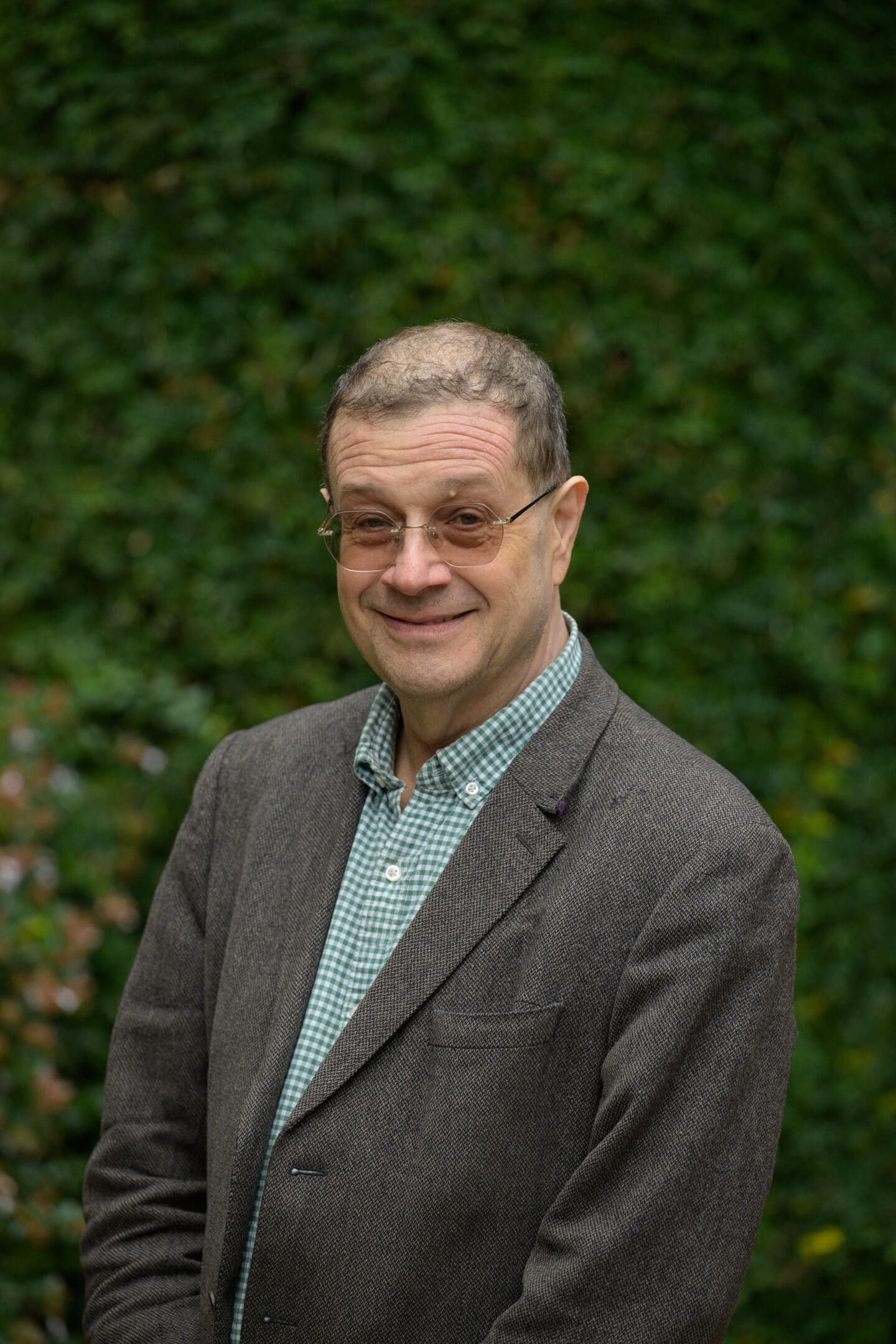
Professor Lionel Mason
- Fellow and Tutor in Mathematics
- Professor of Mathematics
- Tutor for Graduates
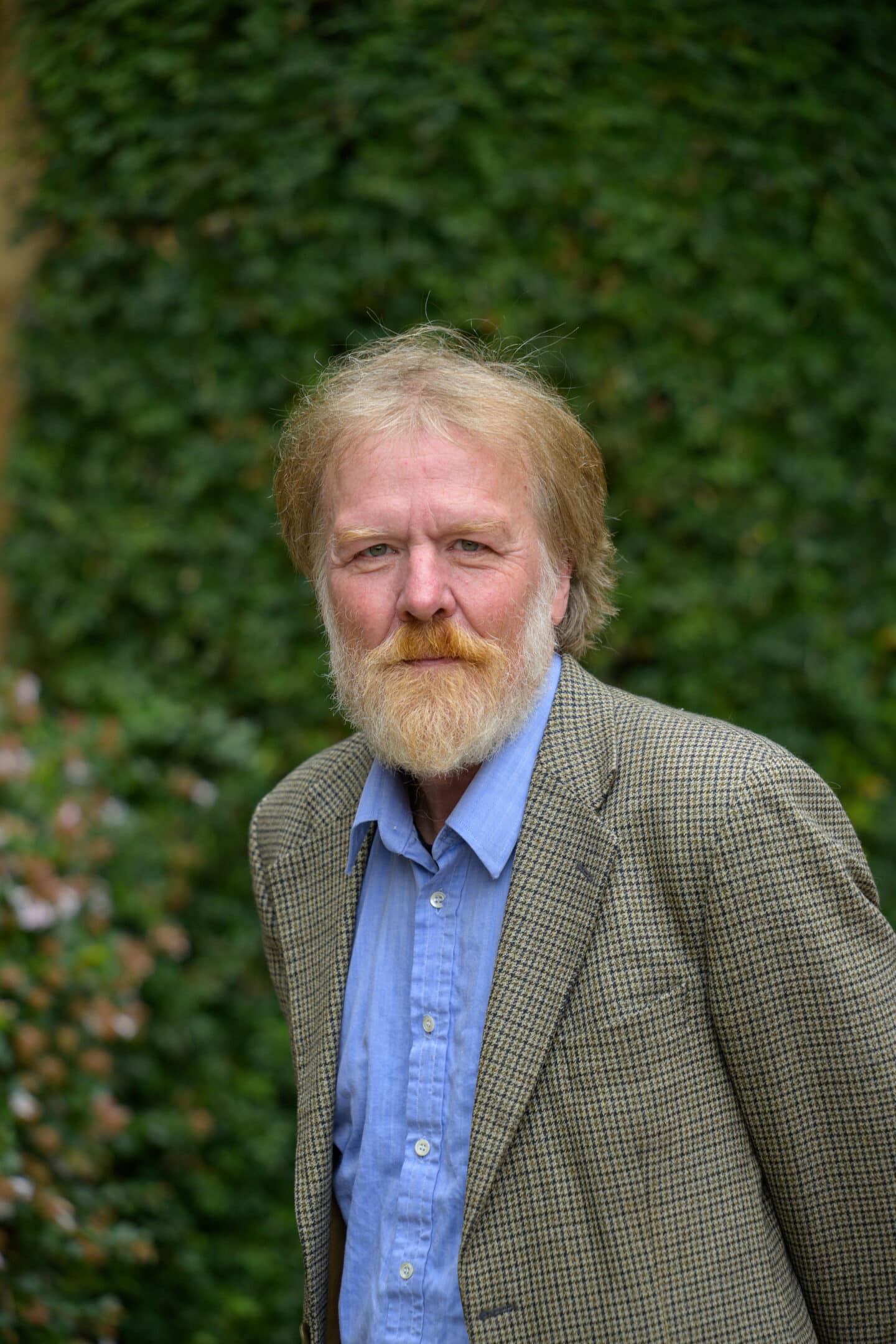
Professor Geoff Nicholls
- Fellow and Tutor in Statistics
- Associate Professor in Statistics
- Tutor for Welfare
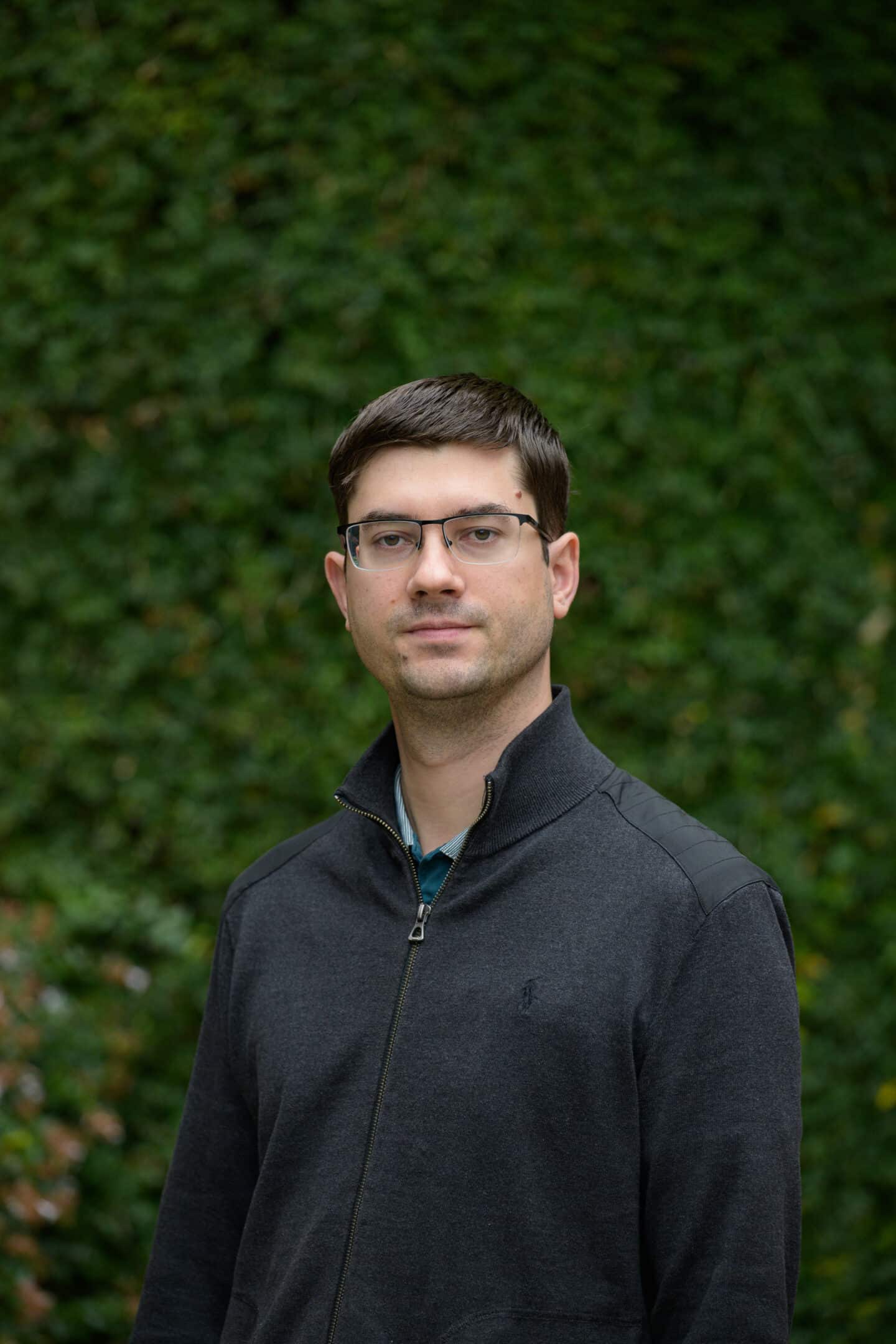
Dr Pierrick Bousseau
- Fellow and Tutor in Mathematics
- Associate Professor of Mathematics

Dr Hanqing Jin
- Research Fellow in Mathematical Finance
- Associate Professor in Mathematical Finance


Welcome to our new students! Find out what's next here.